Posted on

Giving Voice to the Body: The Cast of ReconFIGUREd

ReconFIGUREd


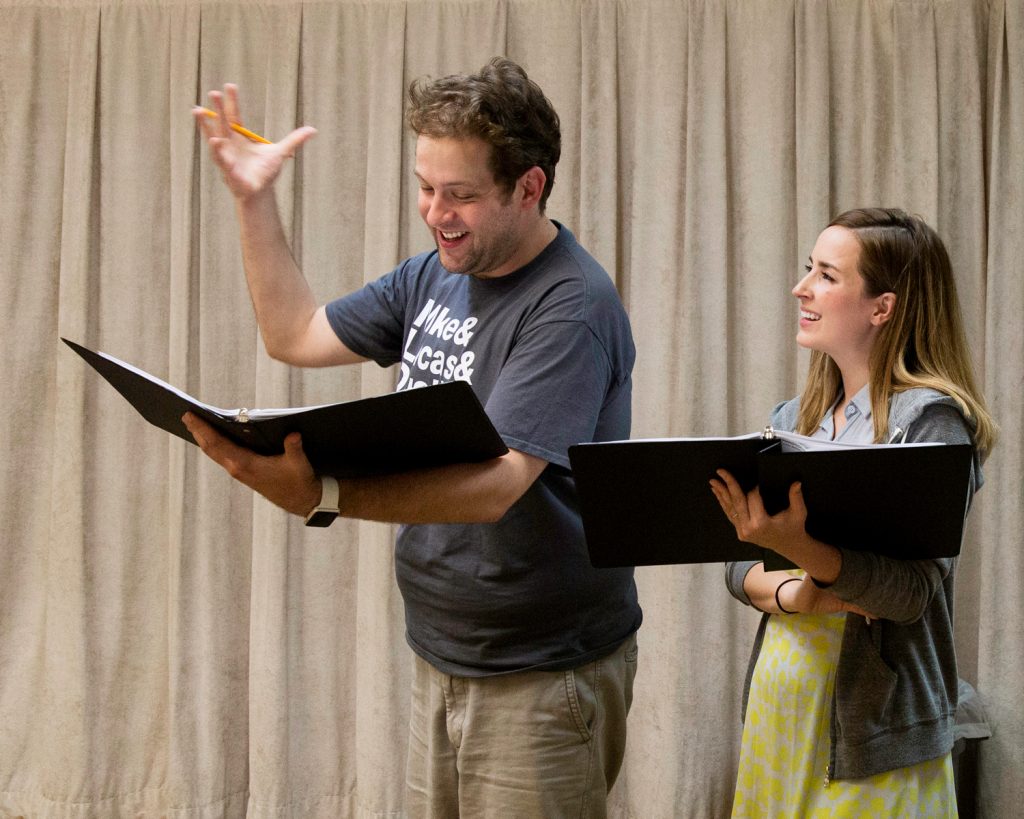
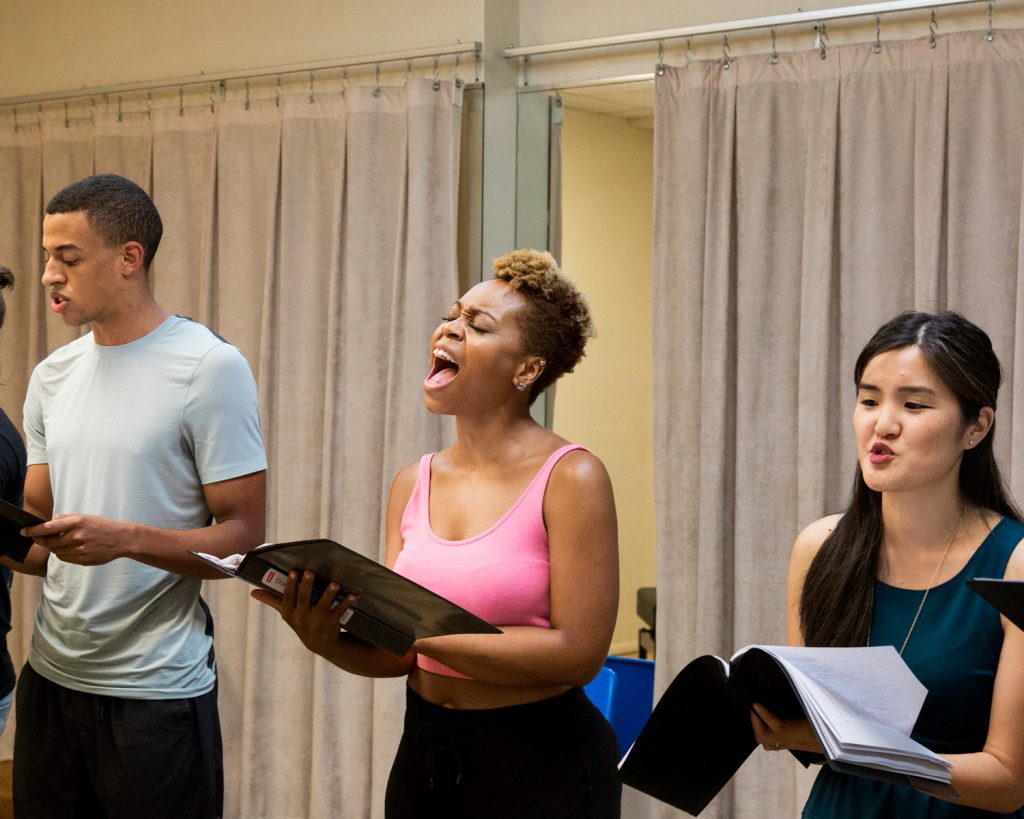
Honest Accomplice Theatre tells stories that are rarely brought to light: those that are silenced, pushed aside, or deemed too “fringe” for mainstream theater. Working with an ensemble of artists, the company works to bring these topics into the light; to create dialogue about the things we don’t see onstage when it comes to the lives of female-identified and trans people.
 

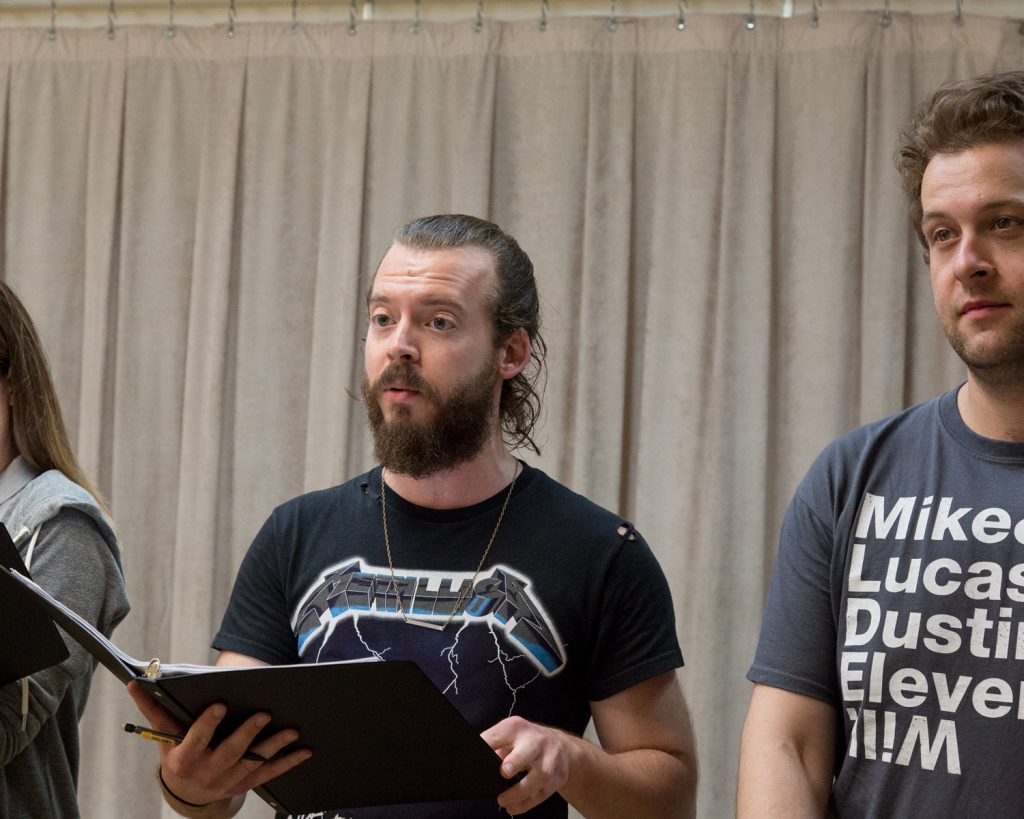
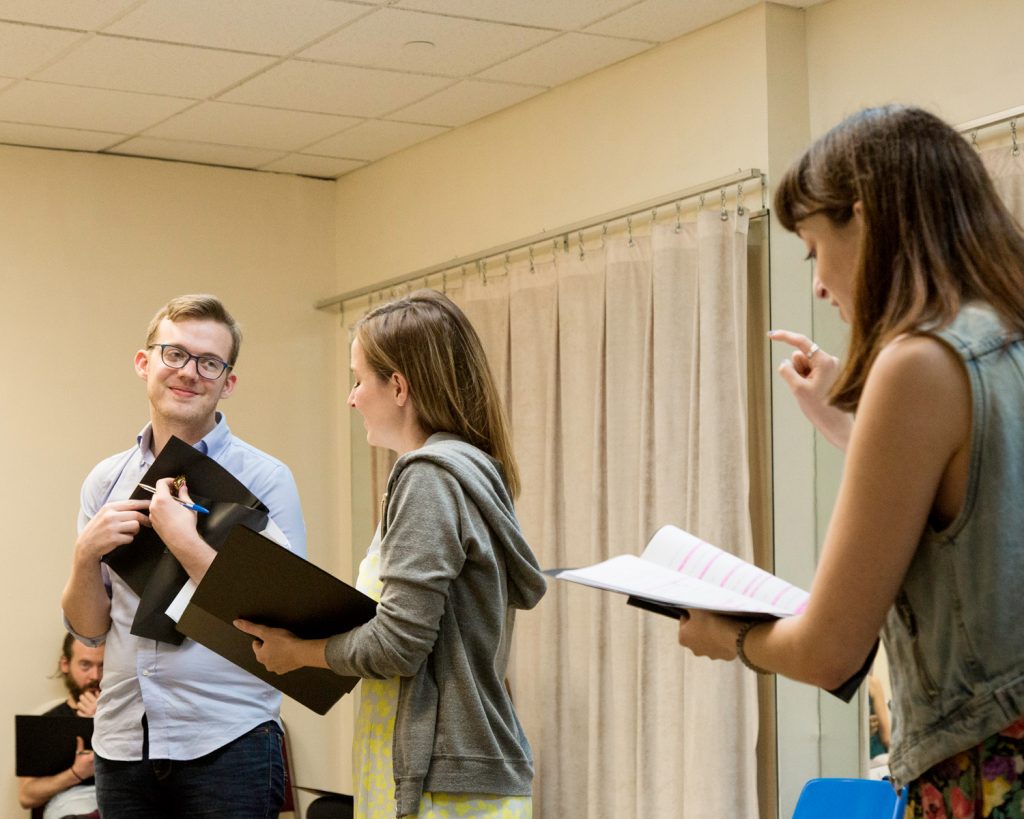
ReconFIGUREd, the company’s latest piece, is a heart-warming devised work about the experience of living in our bodies, and how it feels to inhabit the female and trans identity. We spoke with members of the cast about their process, their characters, and why theater matters.


ReconFIGUREd
 

Helen Schultz: How did you get involved with HAT/ReconFIGUREd?
 

Seth Day (He/Him/His): It’s actually a funny story! Although I had some theater experience growing up, I’m not an actor by trade. I wasn’t actively searching for acting gigs, but I’m a member of this Facebook group that is a forum to share queer-friendly employment opportunities, and I saw the casting call for ReconFIGUREd and thought, “Why not!?” To be honest, I almost chickened out of the audition, but the project seemed so important to me. The subject matter of the show is what really piqued my interest. It was the first time I had seen a casting call that was genuinely interested in the trans experience.
 

HS: Tell me about your character and creative/design role.
 

SD: I’m one of the two actors playing Luke, a trans guy in the first year of his transition, who struggles with feeling the need to perform toxic masculinity in order to be seen as male. He also has some family drama going on and has to balance that with dealing with his masculinity issues. It’s very exciting for me as a transperson to get to play a trans character, and to put a story on stage that feels more authentic than other trans representations in the media.
 

I’m also the prop designer, which was a first for me and a fun challenge! I really tried to give attention to detail to each and every prop in a way that each prop adds something to the story.
 

HS: Why do you think theater is such a powerful medium for telling this kind of story and to help change people’s minds and erase some of the stigmas associated with current identity/body politics?
 

SD: Generally when people see theater it’s for enjoyment, so I think when we go see a show, we let our guard down. If I were to walk up to someone and try to engage in a conversation about the body or gender or any sensitive topic, I think they’d probably be a little guarded. But when we let our guard down and are open, theater can really change us.
 

HS: Tell me about one of the scenes in the play.
 

SD: There is a power ballad sung from the last remaining estrogen in a menopausal body. What more do you need?
 

HS: Tell me about a moment in the development process that surprised or stuck out to you.
 

SD: At the beginning of each devising session, we would go around and introduce our name and pronouns (as these are things that can change!). And one session, one of the ensemble members asked us to use a pronoun I had never even heard of before, which was a really humbling moment for me. Sometimes I think just because I’m trans, I know all there is to know about gender, but that was a great reminder that we all have room to grow and learn!
 

HS: What is one thing you hope people take away from this piece?
 

SD: I suppose I don’t really care what people take away from the show as long as they’re still thinking after it’s over. My hope is that the show starts a conversation!
 

HS: What makes this show unique?
 

SD: I think one of the most unique aspects of this show is its honesty. That and the fact that about a third of the cast is trans! Which is just amazing.


ReconFIGUREd
 

Helen Schultz: How did you get involved with ReconFIGUREd?
 

Jo’Lisa Jones (She/Her/Hers): I saw a posting to audition for the devising portion, not realizing that a friend of mine had actually worked for HAT previously and gave them glowing reviews, so I knew I should go for it! The reason I first wanted to get involved was because I feel like seldom do women and trans folk have an opportunity to truly discuss and express what our bodies go through. I also wanted to share and relate my experiences with other people so that others feel comfortable to speak up and so that I could find some camaraderie.
 

HS: Tell me about your character.
 

JJ: My character’s name is Fiona, and she works in a women’s health clinic that also performs abortions. Despite having fertility issues, she gets pregnant, only to suffer a miscarriage. This character is loosely related to a short movement piece that I created about having an invisible illness, as I have PCOS [Polycystic Ovary Syndrome] and can potentially have fertility issues, so this character is very near and dear to my heart.
 

HS: Why do you think theater is such a powerful medium for telling this kind of story? How does it help change people’s minds and erase some of the stigmas associated with current identity/body politics?
 

JJ: I think it’s a fun way to be educated. You are moved by the characters and gain new perspectives on what others may be going through. People want to have fun, and I think ReconFIGUREd is a really fun show that has a beautifully crafted undercurrent of truth telling and insight – and other times we just let it all hang out because that’s appropriate too!
 

HS: Tell me about a moment in the development process that surprised or stuck out to you.
 

JJ: I think the strongest moment in the development process that stuck out was the day we were embodying mental illness and addictions. It was truly enlightening to me. I have been very fortunate to not suffer from either and, although I may logically understand both, I don’t always physically or emotionally understand what’s happening. It finally clicked that day because, rather than having a verbal scene, I got to see how it wears on the body, and that really struck a cord with me.


ReconFIGUREd
 

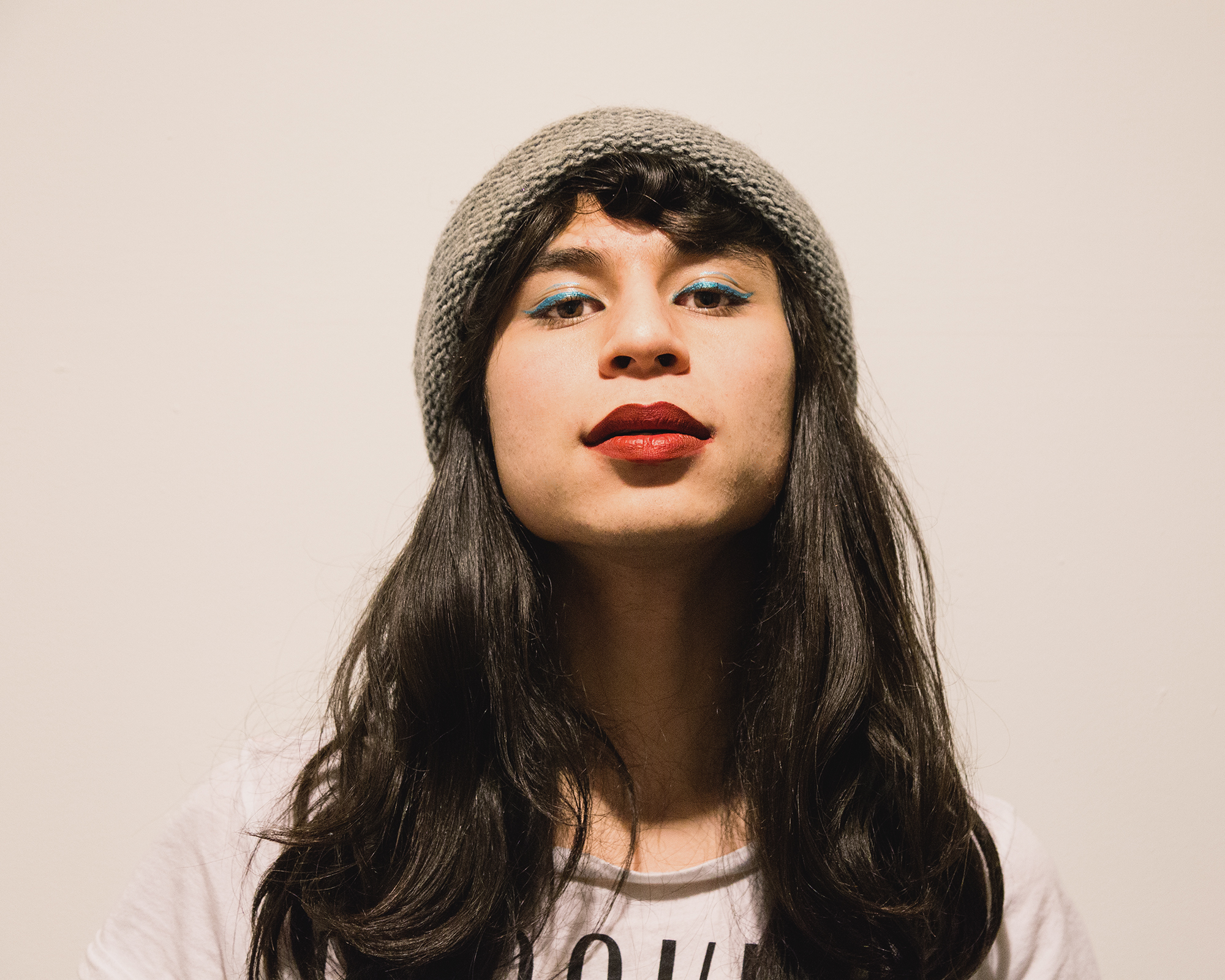
Helen Schultz: How did you get involved with HAT/ReconFIGUREd?
 

Jordan Ho (Xe/Xem/Xyr or She/Her/Hers): I started working with HAT in 2015 for the Tank run of The Birds and the Bees: Unabridged and I have been with them ever since. I stayed because this company is like home to me.
 

HS: Tell me about your character.
 

JH: I devised the role of Melanie in the show with castmate Holly Samson. There are many facets to Melanie: having a trans brother and a mother who works in an abortion clinic, on top of figuring out her race, ethnic identity, and coping with mental illness. It’s been a joy getting to create Melanie, and I hope anyone else who is suffering can find comfort in her arc.
 

HS: Why do you think theater is such a powerful medium for telling this kind of story? How does it help change people’s minds and erase some of the stigmas associated with current identity/body politics?
 

JH: When talking about the body academically, it’s easy to desensitize ourselves from actually addressing the issues. Not to say that literature and news articles are telling lies, but written word automatically makes these concepts abstract and not attached to our physical forms. And even if these concepts do manifest inside our bones, the natural next step is to act, which is why we do theater. I think there will be something powerful about seeing actual bodies tell the stories about how we carry and take care of our vessels.
 

HS: Tell me about one of the scenes in the play.
 

JH: There happens to be a musical number called “Gemme Femmes” that is horrifyingly entertaining. I grew up watching shows like Sailor Moon, The Winx Club, and Mew Mew Power, so I have a strong affinity to girl-power television. That being said, it is so, so interesting looking back and seeing just the opening intros and seeing these shallow molds of femininity veiled under the guise of being a cute television show for kids.
 

HS: Tell me about a moment in the development process that surprised or stuck out to you.
 

JH: Honestly, I was most surprised when we learned our character tracks and who was paired with whom. I’m a trans gender fluid actrex, so I just assumed that I would be assigned a trans character. But when I heard that I would be working with Holly to devise the role of a cisgender woman, I was really struck for a moment. And then I had a creative epiphany: because if Hollywood is so dead set on allowing cis people to play trans characters, then why can’t a trans person play a cis character? I will never forget this moment because it gave me such clarity that trans artists are capable of anything. Creating this role has helped me reclaim my femininity, and I’m so glad that Maggie, Rachel, and Holly have trusted me in this creation process.


ReconFIGUREd
 

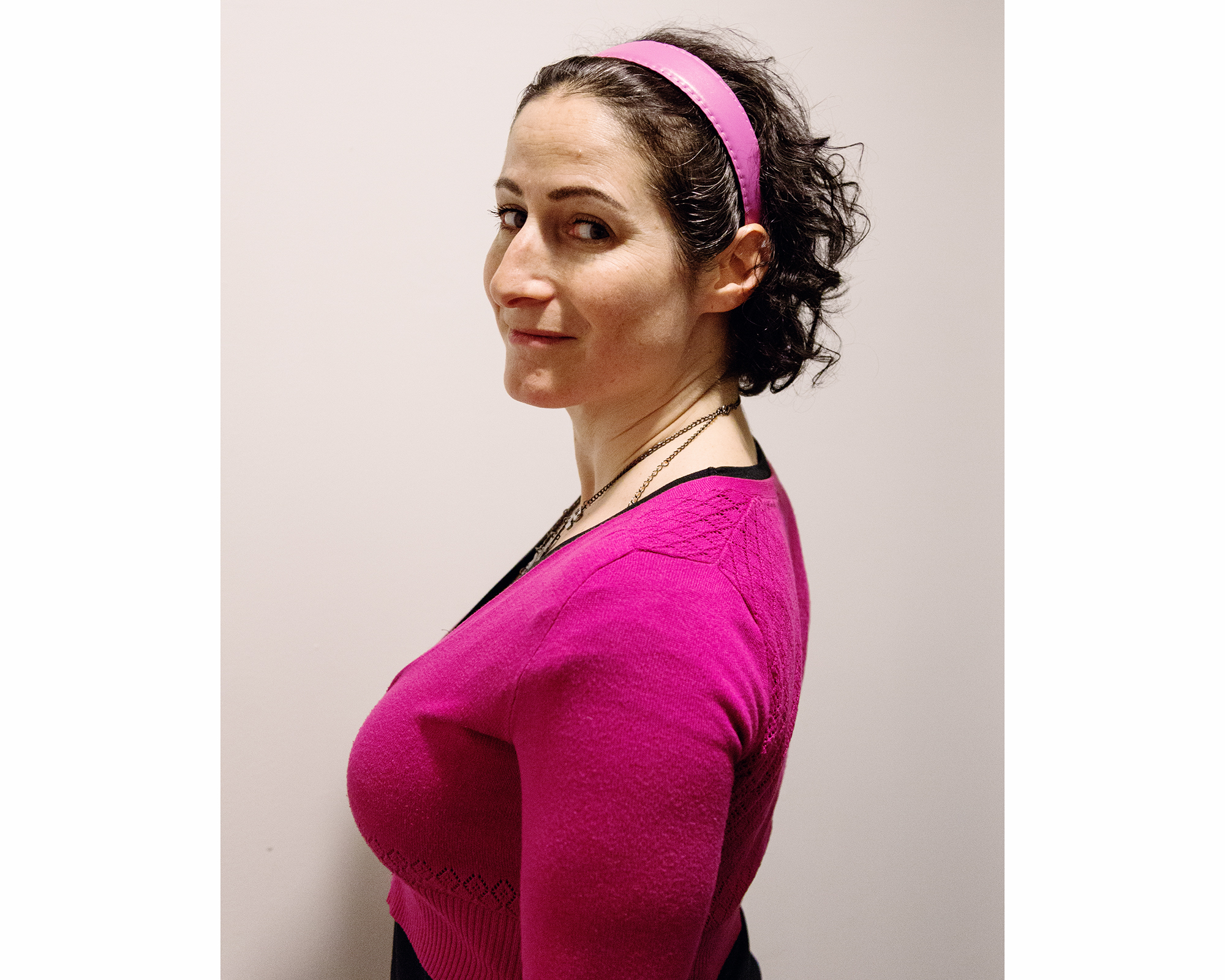
Helen Schultz: How did you get involved with HAT/ReconFIGUREd?
 

Simona Berman (She/Her/Hers): I came on board this year for ReconFIGUREd and am outrageously happy to now be in the company.
 

HS: Why do you think theater is such a powerful medium for telling this kind of story? How does it help change people’s minds and erase some of the stigmas associated with current identity/body politics?
 

​”​And i said to my body. softly. ‘I want to be your friend.’ it took a long breath. and replied ‘i have been waiting my whole life for this.'”​

When I first read this quote by Nayyirah Waheed, I literally took a deep breath as I was reading, unconsciously wrapped my arms around my body, and started to cry. Or at least dry heave a bit, because I stopped myself from crying long ago when I was bullied growing up and didn’t want to give the bullies anymore fodder for their fire. Much of that bullying was a catalyst in my long continuous battle with my body. Along with a few eating disorders, I also struggle with body dysmorphia: where I look in the mirror and see my arm and where the large muscle from doing gymnastics meets my large breast it triggers my brain to see my body as one big armbreast – much bigger than it actually is.
 

That quote by Nayyirah took me out of my head and separated me from my body and gave my body its own persona, arousing empathy in me for my body. As a self-hating Empath, it is easier for me to be moved to action by others, not so much for myself. I suddenly saw my body as a scared little girl, who opened her arms wide and said, “Please love me, I beg of you!” The quote made me want to take care of that little girl that is my body. This was easier for me to process as opposed to trying to just love me for me.
 

That’s what theater does for certain issues, such as the ones we tackle in ReconFIGUREd. Theater takes an issue and initiates awareness for someone to be able to see outside of themselves. For an audience, if they connect deeply to the story as if it was theirs personally, theater allows for aesthetic distance where the story becomes a safe friend that might help someone feel less alone or less awkward. It also opens up whole new worlds for people who can’t relate at all to the story personally, but being able to see, hear, feel the story played out can now evoke empathy for the characters. Or at least a better understanding, as opposed to just hearing about it or reading about it in a random story.


ReconFIGUREd
 

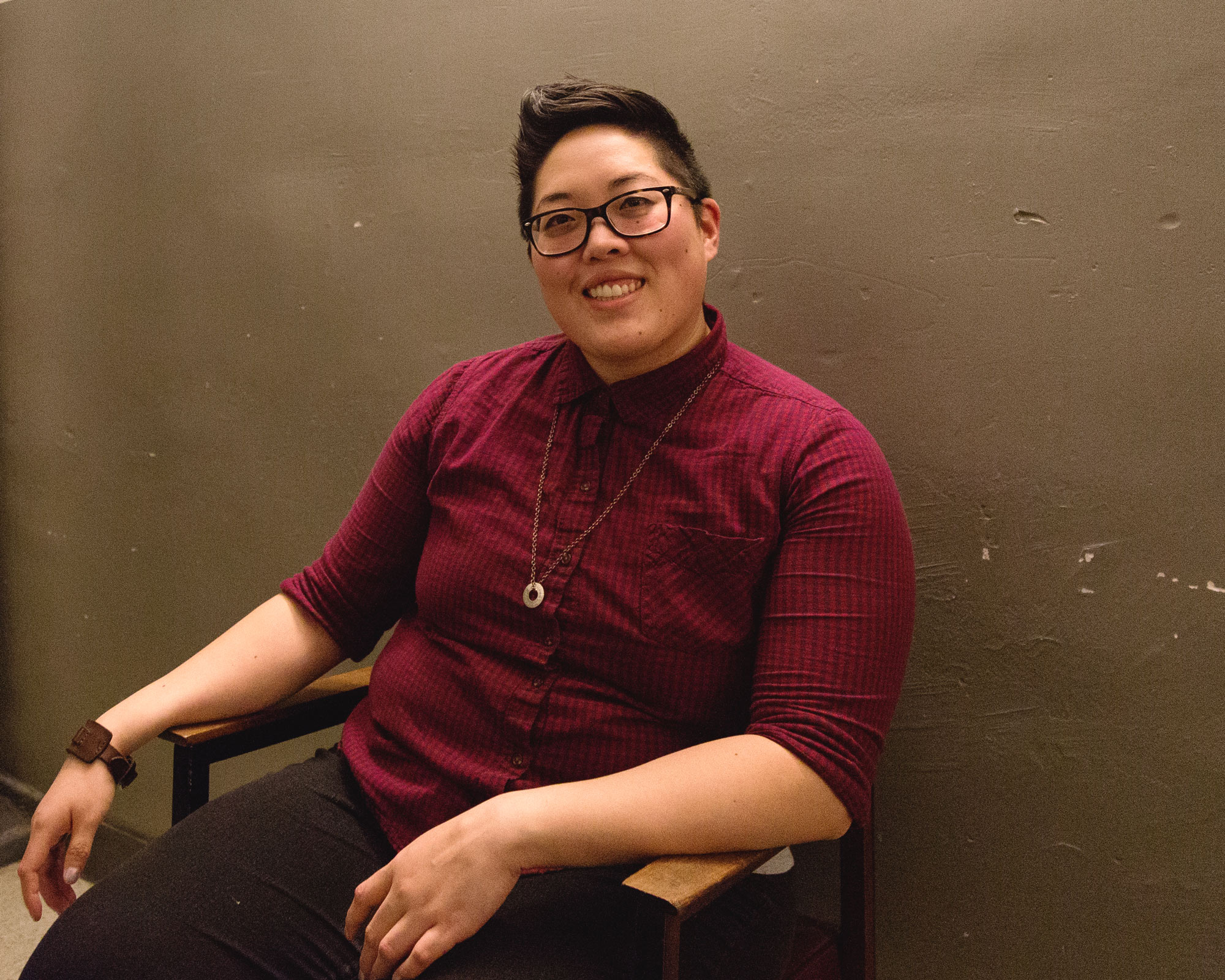
Helen Schultz: How did you get involved with HAT/ReconFIGUREd?
 

Holly Sansom (She/Her/Hers): I started working with Maggie and Rachel before the Honest Accomplice Theatre company was created, back in 2012. I was an original ensemble member and deviser for the show The Birds and the Bees: Unabridged. When HAT was formed in 2014, I came on as the General Manager as well.
 

HS: Tell me about your character.
 

Holly: I share the role of Melanie with Mx. Jordan Ho. Melanie is a cis woman thinking about her identity as a biracial person in America. She is also dealing with mental illness and how these aspects of her body affect her relationship with the world and the people in her life.


ReconFIGUREd
 

Helen Schultz: How and when did you get involved with HAT/ReconFIGUREd?
 

Jesse Geguzis (Squee/Squer/Squem): I had auditioned for the previous project and then I was asked to be a part of this project about a year ago.
 

HS: Tell me about your character.
 

JG: Luke is a young trans guy in college and struggling to be comfortable in his new body with old friends and family of origin.
 

HS: Why do you think theater is such a powerful medium for telling this kind of story? How does it help change people’s minds and erase some of the stigmas associated with current identity/body politics?
 

JG: I think theater can change the world. Everyone involved in this project is throwing their energy at creating change. I think visual mediums are the strongest vehicle to get into folks’ heads and leave them starting to change their thinking. It plants a seed. This company is gardening a new world by telling new non-heteronormative narratives.
 

HS: Tell me about one of the scenes in the play.
 

JG: My favorite scene is with my character, Luke, and his sister Melanie, fighting and trying to find common ground around identity struggles. The whole scene takes place with both characters wearing the same giant shirt, as a punishment for fighting by their mother.
 

HS: What is one thing you hope people take away from this piece?
 

JG: I hope people leave thinking about how to open up their minds more and more every day.
 

HS: What makes this show unique?
 

JG: It’s a company of only female and trans-identified folks.


reconFIGUREd
 

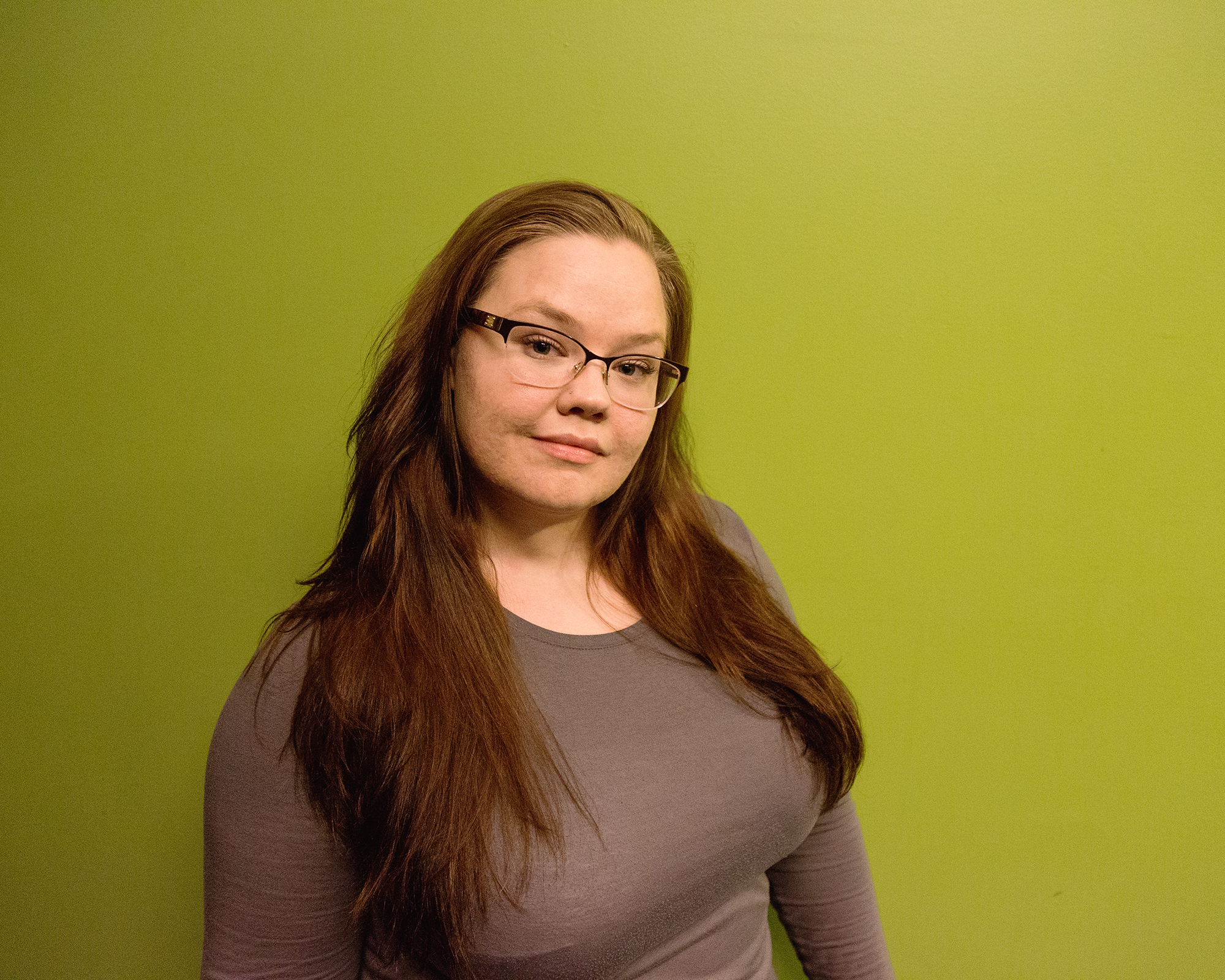
Helen Schultz: How and when did you get involved with HAT/ ReconFIGUREd?
 

Kat Swanson (She/Her/Hers): I was lucky enough to be involved with HAT early through some of the first Birds and the Bees workshops, which I heard about through Rachel while working with her on another project. I remember being so struck by the questions being asked and by the process. I tried to be involved in whatever way I could from there. I helped out a bit with general support on one of the Birds and the Bees productions, and finally had the chance to be involved from the beginning of this project.
 
 
HS: Tell me about your character.
 

KS: My character is a struggling single mother named Donna. She has an eight-year-old daughter named Ari – short for Ariel – who she’s supporting on her own (the father has been out of the picture for some time now), which creates a lot of financial hardships. She also grapples with lack of self-love, binge eating disorder (BED), and back pain, partially caused by having larger breasts. Donna suffers from the classic single-parent time versus money dilemma: how can she be a good mother to Ari when all she has time to focus on is the next step, the next place to be, the next bill to pay? She’s in survival mode and is realizing the negative impact on her growing daughter.
 

HS: Why do you think theater is such a powerful medium for telling this kind of story and to help change people’s minds and erase some of the stigmas associated with current identity/body politics?
 

KS: I really think that seeing is believing and feeling is understanding. People who aren’t trans or women or disabled and so on don’t really know what gaps exist in their understanding. When you don’t live it, you just don’t know. You can read an article or catch on to all the political and social media buzzwords and think you know something, but you just don’t. People are often afraid to admit, even to themselves, that they don’t understand.
 

Theater is such a unique art form in how it is able to combine all the other art forms to create a true, visceral experience. It is able to make the audience see and feel and have at least the opportunity to start to know. By attending and really opening yourself up to a play that portrays an experience that is not your own, you get a chance to empathize with other people. That empathy, especially when it occurs on a large scale, is – I think – what really has the power to make a difference in people and society as a whole.
 
 
HS: Tell me about one of the scenes in the play.
 

KS: Ooph – tough question! There are so many excellent ones. My favorite scene is one that portrays caretaking for a character whose mobility has been severely impacted by her battle with cancer. It’s really loaded – the daughter is getting ready herself and is helping her mother get ready for the day at the same time. The scene is great because the dialogue is very normal but also tells so much in so little. I think it’s something a lot of families can relate to, [regardless of the] situation they’re in. It hit a chord with me because my mom has been wheelchair-bound her entire life, but growing up, I realized that no one really understood what that meant for her day-to-day life. They had this general, blind pity and were usually kind – all good things – but they had no idea what it took for her just to get out of bed, to use the bathroom, things that able-bodied folk, myself included, often take for granted. I cried when I saw it because it just hit home so hard. I hope it makes able-bodied folks happy to be in their bodies to some degree, and also helps people who are in a similar position as this character for whatever reason feel more understood and represented onstage.
 

HS: Tell me about a moment in the development process that surprised you or stuck out to you.
 

KS: I didn’t realize how tough the development process could be. For a while, I thought I was the only one who was in rehearsal feeling as though I didn’t belong there, like I didn’t have anything to contribute. To Maggie and Rachel’s credit, things kept moving forward because they heard these concerns from several folks in the room and implemented things like a “question box”. [The idea of the box is] to try and help the cast understand each other better, and also understand what they each brought to the room – all while taking the “educator” responsibility on themselves. [Because of that], folks who are often put into that position involuntarily in their day-to-day lives didn’t have to take that role on here. It became such a safe space to discuss really challenging issues with lots of differing viewpoints. While it was tough, the end result and the value of realizing that kind of space is possible was immeasurable to me.
 

As for a specific moment… picking one, I guess I was really surprised to realize that a lot of people don’t view their periods as a negative thing. For some it’s culturally celebrated, for others it’s empowering and magical – it opened my mind because for me, my period had just always been a monthly “Congrats, you’re not pregnant!” notification and a frustrating, painful, messy pain-in-the-ass. It’s hard to explain, but it was a really memorable rehearsal.
 

HS: What is one thing you hope people take away from this piece?
 

KS: I hope people take away a new appreciation for the complexity of a person’s agency over their body, as well as the wide variety of experiences that are different from their own. I hope they see and appreciate something new, and I hope they ask questions and start talking about things they’ve been silent about before.
 

HS: What makes this show unique?
 

KS: It’s people and it’s honesty.


***


ReconFIGUREd is playing at The Tank on January 6 to January 15, 2017. Tickets can be purchased at http://thetanknyc.org. For $10 tickets, use code HATBODY.
Posted on

Making Depression Sing: The Cast of We Have Apples on Mental Health

We Have Apples


Do you have apples? In America, over 50 million people do and Rachel Griffin’s new musical is giving voice, and music, to their suffering. The fruit in question in We Have Apples represents mental health, and recent estimates suggest that nearly 1 in 5 people have some form of mental illness. Those statistics beg the question…why aren’t we doing anything to remedy inadequate, cold, and confusing maze that they have to navigate to receive any kind of care? Enter We Have Apples. The musical centers around Jane, who suffers from anxiety and depression, as she enters a psych ward, and finds herself surrounded by people who also have apples, all different, destructive, and beautiful, like hers.
 

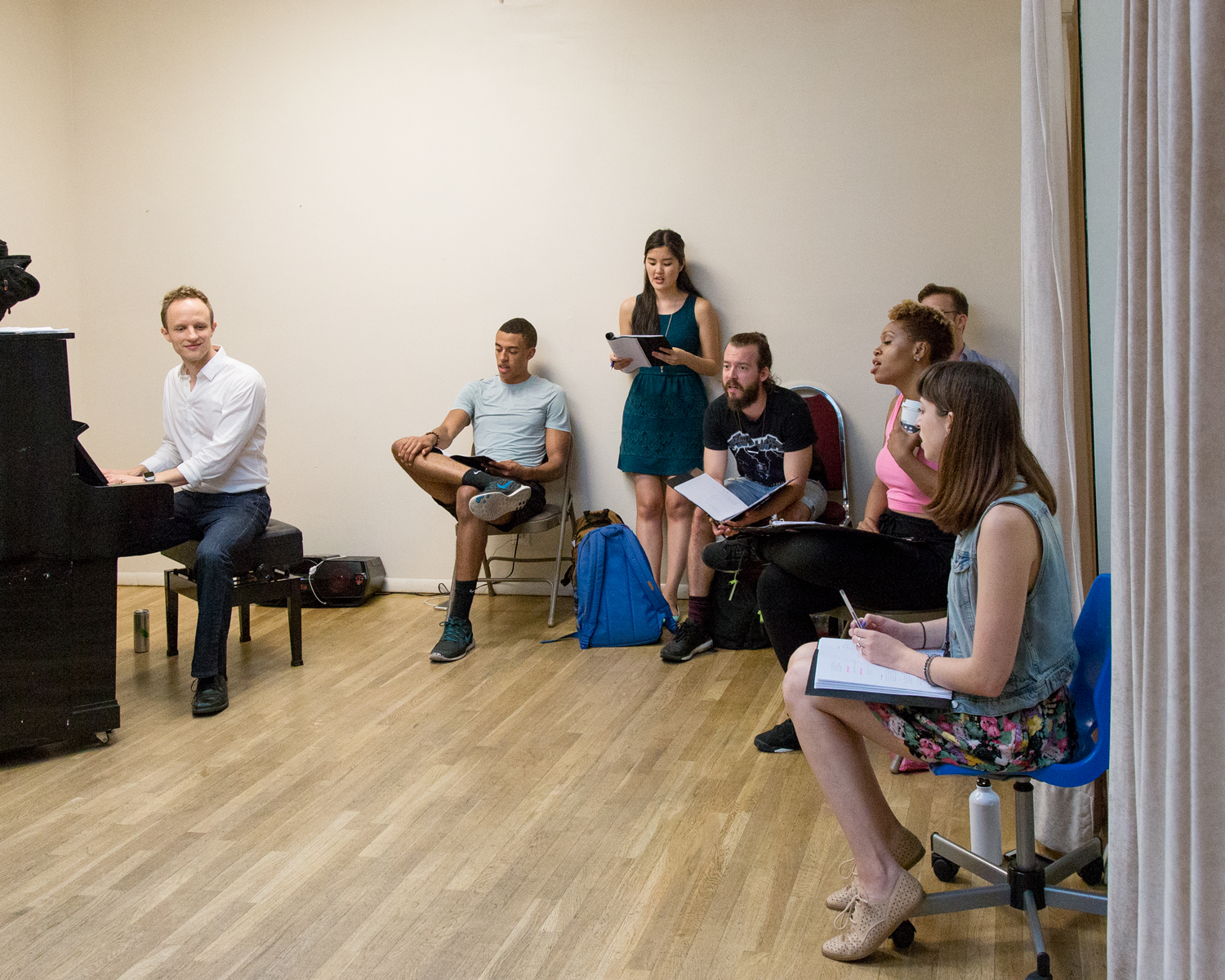
We were given the opportunity to sit in on a rehearsal the week before their concert, which premieres tonight at 54 Below, and talk to creator Rachel Griffin and the cast about their message, their experiences, and their goals; to help audiences empathize and learn about one of the most misunderstood issues in our country with authenticity, humor, and boundless imagination.


We Have Apples
 

Kelly Wallace: You’ve had a lot of experience as a songwriter before, but this is your first musical. Why did you want to use this medium for this story?
 

Rachel Griffin: Theater gives me the ability to share a story about mental illness that starts with debilitation and suffering and ends with triumph and recovery. I think we need more stories that show that a mental health diagnosis does not mean you are doomed. I wanted to show a bunch of characters that have mental illness but are not defined by it. They are a professor, a med student, a creative writer, a musician, etc. By the end of the show, you want to be friends with them. You respect them and admire their strength. You also see how stigma and crappy healthcare affect them. Hopefully their stories will foster action and compassion!  
I didn’t think about writing theater until I met my husband, who is the associate music director of Aladdin and a musical theater composer. All the shows we saw together and his projects got me really excited about the power storytelling and theater. I noticed how theater can reach people and awaken something in them that might fail to awaken through other methods. Without being preachy, you can preach! 
I really care about mental healthcare reform and de-stigmatizing mental illness. I’m not going to run for office or work in healthcare, but I can use creativity and music to help. I started writing this show on my iPhone and I was writing it out of frustration with my own mental healthcare experiences and the stigma I faced and saw others face. I was afraid to let the show out of my iPhone because I knew if I shared it then people would probably figure I had a mental health condition. Then it dawned on me that stigma was stopping me from sharing it. Stigma is powerful. I realized if what I was writing could help people, it was worth being vulnerable. I think writing about what we fear can lead to our best writing. I still resist it, but I want to be brave. We have this one life, I think it’s important to remember that and be bold and as fearless as possible with our writing. It still scares me, though!
 

KW: As you said, it is so personal. Did you find the editing and cutting process was hard for you because of how close to home the story is?
 

RG: Yeah! Once in awhile someone says, “You know, I don’t think this part is realistic,” and it’s literally something that I’ve experienced in real life with the mental health care system. It’s so bad that people don’t believe it as fiction. That’s crazy! As some of my mentors have recommended, like Larry O’Keefe and Michael Korie, sometimes I make a change someone suggests, but I make it in a way that makes sense to me but might not be exactly what they thought was right. I love that theater is collaborative. I love when an actor will email me and say, you know, I don’t think my character would say exactly that, what do you think about this? Just to take that in and be like, you know, let me think about that. It’s been incredible, because composing can be kind of lonely. So with theater, you have this community. I feel extremely blessed to have the people we do involved with this show because they bring so much. One mind alone is so much less powerful than a bunch of different perspectives.
 

KW: When did you decide to have Depression be a physical presence onstage as a person?
 

RG: It wasn’t in the first draft. The show is based on a short story I wrote in undergrad about a girl in therapy. In the short story her thoughts were shouted in capitals. We all have that voice in our head, whether we have depression or not, that says you’re not good enough. We all have that fight or flight reflex that we don’t need going off all the time anymore, because a lion isn’t going to jump out at us. I don’t think we talk about that voice too much, I don’t think we talk about those weird or scary thoughts. I thought it would be cool to have a character who was saying those things so the audience can realize that other people have those thoughts, too. I played with the idea of having an offstage voice say it and then moved to having a character. I like that the character, at first was one-sided and was just the darkness, and then I was like, I couldn’t write this show if I didn’t have the imagination I have. Having such a vivid imagination can look like anxiety, racing thoughts.. but it also can look like creativity and music and empathy.. so depression and anxiety and mental illness have beauty in them, and that’s something I’ve always wanted to show. A lot of media show only the bad stuff, which we need and we need to see the struggle that is a reality for many, but we also need the beauty, the hope, the brilliance. So, I thought, maybe I could also make this character be the source of imagination and have that there too. It’s been cool too, because a lot of people’s favorite character in the piece is Depression and I’m like, oh, I thought everybody would hate her! She’s the antagonist. And I’ve had people come up after presentations and say, “I just love Depression!” And I’m like…”Okay!” That’s… great!
 

KW: What do you hope that audiences take from the show? When someone comes to see this, what do you want them to leave with?
 

RG: I want them to see that people with mental health conditions are their doctors, their friends, their teachers, people they admire. I want people to realize mental healthcare is inadequate and inaccessible and that causes suicide. I want people to see how isolating it is to have people respond with silence and shame to an illness. When a friend of the family is in the hospital with a physical illness, people bring pies and cards. When they are there for a mental illness, people disappear.  
We can’t have all the shame and the silence, because it really does corrode the human spirit. People really lose lives because of it. We need to talk about it in the open so it evolves to not be so uncomfortable. Mental health should be taught in schools along with physical health in health class. I think many teenagers think their pain is permanent. They need to be aware of symptoms, treatments, and stories of hope.


We Have Apples
 

Kelly Wallace: Tell me about your character.
 

Hannah Elless: I play Jane and she is a young woman that is aspiring to go to college and all the normal things that a young woman aspires to. She’s a writer, she’s creative, she really has a lot of great energy and yet she has this duality about her that she’s constantly coming to terms with. In the show, they call that character Depression, which is personified by Emily, who plays Depression. So it’s pretty interesting to have that, since the audience can see both of these characters having a conversation with each other, when in reality it’s Jane having a conversation in her mind and fighting, sometimes fighting and sometimes agreeing. That’s what’s lovely about the show. We’re looking at Depression not as an enemy but as sort of a friend in a way. Maybe a friend that doesn’t always help you make good choices, but we’re definitely looking at it as part of who Jane is inherently, and not something that she despises, but something she’s constantly trying to reconcile within herself.
 

KW: How has working on this piece changed or informed your views on mental illness?
 

HE: I just think it’s so important that we’re having a dialogue about mental health and putting it into a musical is so smart. What the writers have done to bring this to the surface of everybody’s minds is really commendable. I think my viewpoint has changed in a great way. Being able to work with this company, and explore who Jane is – I think the point is that as an actor you always want to play these great roles and the point of Jane is that she’s just a normal girl. That’s what surprised me the most, reading through her character and her songs and her singing. She wants all the things any girl wants. So there’s something different and lovely about her, but there’s also something so normal and relatable because she’s just a girl.
 

KW: Why do you think theater is such a powerful medium for telling this kind of story and to help change people’s minds and erase some of the stigmas associated with mental illness?
 

HE: I think it’s because when you sit through this show, you feel like you really know these people. After sitting through a concert or a full production of this hopefully someday, you really feel like you know Jane. You feel like you know Avery and Charlie and Alex and all these characters and by the end of the show they’re your neighbors, your brother, your sister, your mom, your dad…you start relating to these people and realize they’re people in your life. It makes it really safe to talk about mental illness in a way that’s funny and heartbreaking and completely serious sometimes. They hit all spectrums of the emotional journey. That’s what is great about this show too. They let you laugh and they let you cry and there’s no right or wrong, it’s just exploring who these people are and their specific journeys in life.


We Have Apples
 

Kelly Wallace: Tell me about your character.
 

Emily Nash:  I play Depression, who is the personification of Jane’s mental illness. It’s kind of larger than that; it also embodies her OCD, her anxiety, but also her creativity and her protection. So, it’s all of the good and bad aspects that come from mental illness. So, I’m the personification of all of that, and I appear as a person, but I’m really just a figment, not of her imagination, but of what’s going on in her mind. You’re seeing everything from the inside out, which I think is really cool. I love this role; I think it’s really great to get the chance to play this.
 

KW: How has working on this piece changed or informed your views on mental illness?
 

EN: I’ve always been passionate about the topic. I actually just lost my grandmother to depression a few weeks ago, so it feels especially powerful now to be working on this. I feel like I’m giving voice to her story in a way that…it feels great to have ownership of that story. I myself have struggled with anxiety my whole life, just generalized anxiety, which has at times manifested itself in depressive episodes. So, definitely not to the extent that Jane experiences it in the show, but I so relate. Singing a song about having a panic attack? That’s not something I have to get into someone else’s shoes and figure out what that feels like. I know what that feels like.
 

KW: Why do you think theater is such a powerful medium for telling this kind of story and to help change people’s minds and erase some of the stigmas associated with mental illness?
 

EN: It’s the best medium because we’re getting people in a room together talking about this. We’re not hiding behind a movie screen, this is live and in the flesh. People are going to respond in different ways, but I just really hope that people will grow to become more vocal about this and not stay silent, because it is something that plagues so many people.


We Have Apples
 

Kelly Wallace: Tell me about your character.
 

Meagan Hodson: I’m playing Charlie. Her illness has evolved with the character. I used to be Martha and she was older, so she’s evolved back into a twenty-something. She’s relatively new to the psych ward because she has just been turned down with all her cries for help and not getting what she needed, so she did something drastic and hurt herself to finally get admitted. And then, I think, a couple weeks passed by and the insurance company said, “Alright, you’re good, you’re fine, you’re free to go.” She’s not ready, and she’s terrified, and she ends her life. Which is hard, and it’s that one character. Unfortunately, it feels very necessary. It’s such a, not common, but it is an outcome that happens. It’s the reality of it. Not to make it a statement, but to make it realistic. That’s something they’re trying to combat, trying to get better, and sometimes it doesn’t work out.
 

KW: How has working on this piece changed or informed your views on mental illness?
 

MH: I think it really opened my eyes a little bit more to how much stigma there is. Because, I think growing up, we don’t have as much interaction with people, or if we do, it’s a little more quiet. There’s a separation. But I never realized there was a huge discriminatory element to it until I really thought about it. There’s not a lot of talk about it in the media. And more people are coming out and talking about it, which is such a big deal, but it shouldn’t be such a big deal. It should be common place.
 

KW: Why do you think theater is such a powerful medium for telling this kind of story and to help change people’s minds and erase some of the stigmas associated with mental illness?
 

MH: Well, I really love theater for social change, just because I think you can say things without it being so direct. It seems more of an artistic way to present it, but it still can be very real and start conversations. So you don’t feel like you’re being lectured the whole time; you’re immersing yourself into a story and a character and then you realize that really says something to you personally as well, or about someone you know. There’s that wall that helps to ease into that for other people.


We Have Apples
 

Kelly Wallace: Tell me about your character.
 

Andrew Kober: I play a character named Alex, he’s manic. He’s sort of the bright shining face of the psych ward. He’s excited about everything that happens there. He’s a source for positivity and ultimately for organization and his illness manifests itself in a way that can be a positive influence on the rest of the ward. Does that sound like an intelligent answer? I’m faking it.
 

KW: It does! How has working on this piece changed or informed your views on mental illness?
 

AK: Rarely do you see stories where people with different mental illnesses co-exist in this way. I mean, there’s really, at least in this kind of condensed version of it…yes, it’s about one character’s struggle, but it’s about all sorts of backgrounds coming together to support the storytelling. What it’s done for me more than anything, is to say that everyone has a story to tell. It’s a great reminder that there is absolutely no story that is not worth telling, exploring, delving into. There is absolutely something theatrical and beautiful to be mined in anyone’s experience and their journey.
 

KW: Why do you think theater is such a powerful medium for telling this kind of story and to help change people’s minds and erase some of the stigmas associated with mental illness?
 

AK: I’ll tell you why. For lack of a better way of putting it, you can’t leave. It’s there. It’s in front of you. It’s live, happening in front of your face. You can’t disconnect from it in the way that you can with some other art forms. Social constructs say you can’t check your phone in the middle of it, you can’t run to the bathroom in the middle of it. You’re there, and it’s happening to humans in front of your human eyes. I think that adds an immediacy and raises the stakes to the conversation.


We Have Apples
 

Kelly Wallace: Tell me about your character.
 

Tamika Lawrence: I play Avery, she’s one of the patients in the ward. She’s there because she’s been dealing with a lot of body issues and with bulimia.
 

KW: How has working on this piece changed or informed your views on mental illness?
 

TL: It hasn’t, actually, because I am pretty familiar with a little bit of it because I think living in the city and being around so many people who don’t have access to mental care in this country makes you aware. Doing research and also, you know, being here makes you invest in things like therapy, just to stay healthy and take care of yourself. But I’m very happy that she’s doing this piece to bring awareness to all of this, because a lot of people don’t have that experience.
 

KW: Why do you think theater is such a powerful medium for telling this kind of story and to help change people’s minds and erase some of the stigmas associated with mental illness?
 

TL: I think because theater is accessible; theater is enjoyable. For issues that might be hard, such as mental illness, or even politics, things that are hot button topics, I think theater helps to build the conversation on both sides. Whether you agree with what’s being presented or not, I think it helps to make it palatable.


We Have Apples
 

Kelly Wallace: Tell me about your character.
 

Brian Graziani: I play Jonah. Rachel just incorporated Jonah into the show recently, so I’ve had a lot of wiggle room to do whatever I want. I chose me – there’s not really a single difference between the two of us.
 

KW: How has working on this piece changed or informed your views on mental illness?
 

BG: You know, this is my fourth time doing the show in various stages. I realized doing it the first time that I suffer from a mental illness. It wasn’t until that first scene, seeing the way that depression is personified, it’s very jarring. It was very eye-opening in regards to some of the trials and tribulations I’ve been through myself and how I cope with them, especially those little voices we all hear. I went from there and was diagnosed with depression, so this changed my life.
 

KW: And why theater? Why is this such a powerful medium for changing people’s’ minds and getting them to really think about this issue?
 

BG: I think art in general, especially onscreen or onstage, is just a very passive way of communicating about social issues. It feels less preachy, because we’re invested in a story. We’re looking at a person, rather than a direct lecture on how we cope with an issue. It’s not a political statement, you think, but then subconsciously, hopefully, the piece teaches us something and gives us some shape of life and some taste of this heightened version of reality. I would like to think that’s what this piece and theater in general can do.


We Have Apples
 

Kelly Wallace: Tell me about your character.
 

Michael Winther: My character’s name is Bill, and he has a really beautiful song about losing his wife and kids. This is one of those things where it’s like SWAT Team theater, where you sweep in and do this for creatives so they can see what they have. Being on both sides of that, because I’ve worked as a writer on my own stuff as well, I always love to do it as much as I can.
 

KW: How has working on this piece changed or informed your views on mental illness?
 

MW: It’s a bit of an anthology kind of piece. Everyone has their stories. I definitely have history of mental illness in my family; I had a cousin who was undiagnosed on the spectrum and schizophrenia and he ended up dying very young. He was like 40. He had another brother, my other cousin, who committed suicide. There’s a lot of that on my mother’s side of the family. I think everybody has some kind of personal experience with this. With a piece like this, you start talking about it and like many things, you think you’re the only one or it’s unusual, because we don’t talk about it. It’s important to talk about. The country in general, and the United States in general, is moving towards having less shame about mental illness, I hope.

 
KW: Why do you think theater is such a powerful medium for telling this kind of story and to help change people’s’ minds and erase some of the stigmas associated with mental illness?
 

MW: It’s the reason why I wanted to go out on tour with a show like Fun Home. Like this, it’s about an issue that matters and there’s something about your having an encounter with an actual person. You have to show up as an audience member, especially in musical theater, the voice literally hits your body. I think it’s a really great thing to try and find a way to tell this story about mental illness and depression with music. Non-musical theater people always scoff, “You’re going to make a musical out of that?” But it’s the same thing with Hamilton. At first, you’re like, “Really? That? I can’t believe it.” But it’s those shows that – not all of them break through – but when all the pieces work together, it’s transcendent. It transforms people in a non-intellectual way, which is I think what we all want to do. At least for me, that’s what I care about. It’s great to see a lot of musicals now that tackle weightier issues, which doesn’t mean they’re downers, like Evan Hansen, they just have a mission along with the story they’re telling. Even if you look back…The King and I, Oklahoma, Carousel…they have some really heavy stuff in it. There’s a bit of that in musical theater, always. I did Mamma Mia on Broadway the year of the Republican National Convention and it was on the list of “approved shows” to go see, until an advance person came to see it and they’re like, “There’s a story about an unwed mother and there’s a gay guy in this, this is no longer on the Republican okay list.” So the delegates knew what was “okay” to see. Things have changed a lot since then, of course. So we were shocked. There would be these Republicans who would come and say things like, “Don’t tell anybody I’m here but we really had a great time.” You’re like, really? This show? We live in a bubble in New York and we think, oh, this is no big deal.


We Have Apples
 

Kelly Wallace: Tell me about your character.
 

Coleman Hemsath: Orien is his name. So he is not really in the whole psych ward at all, he is the son of the guy who runs it. He’s on the outside looking in at all the “crazies,” even though he really relates to them. He relates to the main character because they both are very out of touch with modern-day things and ways to connect. They connect when they’re both like, “Wow, we don’t get anything; wow, we’re the same person because we don’t understand anything in the real world.” So even though he’s from the outside looking in, he’s still a part of that whole idea that he feels like an outcast.
 

KW: How has working on this piece changed or informed your views on mental illness?
 

CH: I’ve never really thought about the inner workings of a psych ward or how people interact with other people who are in the psych ward at the same time. I think it’s really cool that you get to see that, you get to hear people communicate, and you see this girl start at the beginning and go through this whole journey. It’s really terrible at the end when people leave in all this debt or leave without a plan on what to do, it’s very eye-opening and things that I’d never even thought about before. If you do have exposure to that environment, people don’t always want to talk about it. I feel like this is great, because it makes more people able to talk about it, since I feel like it touches a lot of people’s families.
 

KW: Why do you think theater is such a powerful medium for telling this kind of story and to help change people’s minds and erase some of the stigmas associated with mental illness?
 

CH: I think theater in general makes people talk, even with uncomfortable topics such as this. So therefore, I think this gives people the opportunity to bring it up. You generally won’t just sit down with someone and say, “Hey, let’s talk about mental illness.” This, seeing the show or watching the YouTube video, will give them the springboard to start talking about it if it’s a conversation they want to have.